
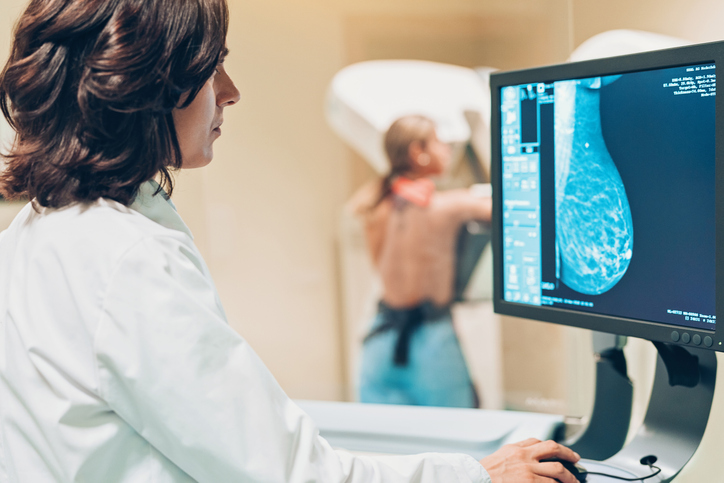
Researchers from the Institute for Research and Innovation in Health (i3S) at the University of Porto participated in a study in which a protein was discovered that allows prediction of the effectiveness of chemotherapy in patients with triple-negative breast cancer.
The University of Porto Institute revealed in a statement that the research published in the journal Cell Reports opens the “doors to smarter use of chemotherapy” which, while not “effective” in all women with breast cancer, is the most widely used. method.
In addition to side effects such as fatigue, anemia, nausea and hair loss, “in about half of the cases chemotherapy doesn’t even work,” stresses i3S, adding that the team of researchers, of which Sandra Tavares was part, tried to understand the reasons for the success or failure of the treatment.
As a result, the researchers discovered a protein found in cancer cells called FER, which makes it possible to predict the effectiveness of chemotherapy in patients with this type of cancer.
Cited in the statement, Sandra Tavares notes that women with triple-negative breast cancer who have high levels of the FER protein “react better to chemotherapy with taxanes, a type of drug commonly associated with slowing cell division and thus tumor growth.” “.
“when [as pacientes] Not containing this protein, chemotherapy has no effect,” stresses the researcher, who is part of the i3S “Cytoskeleton Regulation and Cancer” group.
Currently, researchers are developing a test to assess protein levels in triple-negative breast tumors.
As stated in the statement, Patrick Dirksen, a researcher at the University Medical Center in Utrecht (Netherlands) who led the study, says the goal is to “use the test from the moment of diagnosis” so that it is possible to “deliver a more personalized treatment”.
“The test is performed in the laboratory using the collected tumor material. It is not necessary to require patients to take additional examinations. We are in the process of conducting clinical trials of this test to confirm our predictions and thus be able to offer a more personalized and effective treatment,” he explains.
Besides the test, the mechanism revealed in the investigation will be “extremely important to clinicians and patients”, as it explains the difference in the reaction to chemotherapy with taxanes.
Source: Lusa

Andrea Hargraves is a contributor to Brytfmonline.com, covering a broad range of topics including news, politics, business, technology, sports, entertainment, and lifestyle. She is committed to delivering clear, accurate, and reader-focused reporting that helps audiences stay informed about current events and emerging developments. Andrea’s work emphasizes useful information, balanced coverage, and stories that matter to everyday readers, making complex topics accessible and relevant to a wide audience.