
VW is one of the largest auto manufacturers on the planet, and as such, it can never put all of its eggs in one basket. However, despite the big bet on electric motors and large batteries, Volkswagen is also studying other ways to conquer the car market in the future.
After all, we now have a very interesting patent, which can reveal the true future of electric mobility.
Hydrogen electric car: 2,000 km autonomy
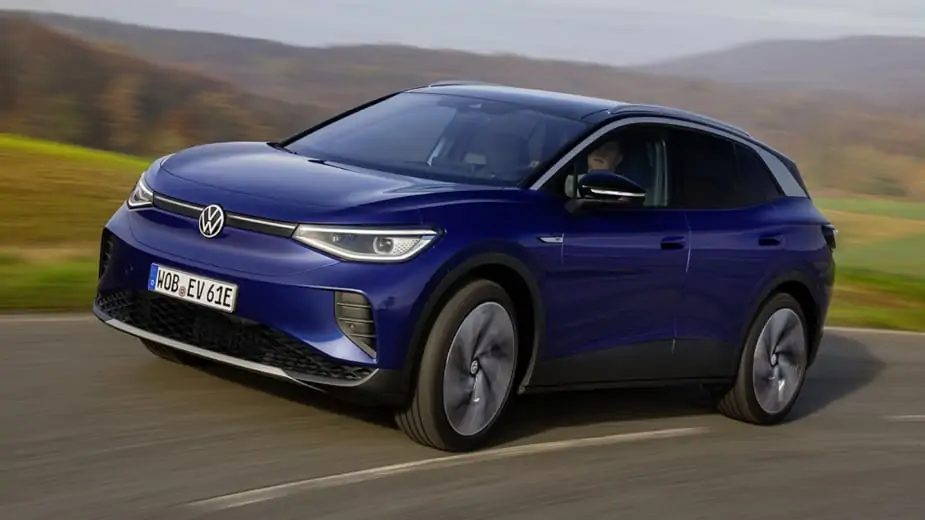
So, Volkswagen just filed a patent that could lead to a revolutionary fuel cell. Because? Well, we’re talking about a range of up to 2,000km, with a single tank. Moreover, in addition to efficiency, this fuel cell is much more wallet-friendly.
This is incredible! Do you know why? Because over the years, Volkswagen executives have looked at hydrogen, always referring to the electric car, and the battery, as the ultimate solution to moving away from fossil fuels.
But there, that’s how you see the smarts of a manufacturer that’s been around for a good many years. Executives may not like it, but research and development has been done to advantage. This is exactly why Volkswagen is collaborating with Kraftwerk to develop new technologies in this new world.
Hydrogen electric car? What is this?
The difference is that instead of storing the energy in a battery, the fuel cells in hydrogen vehicles produce their own energy right away. as such? Well, these cells store hydrogen as a gas, in a high-pressure tank (or at very low temperatures if it’s in liquid form). Then, this same cell converts the hydrogen into electrical energy, through the use of a cathode and anode.
More specifically, hydrogen (H2) enters through the anode and passes through an electrolytic membrane that splits it into H+ and one electron (e-). Then, an electrolyte sends it through various places, with the electron passing through an external circuit, in order to create a flow of electricity that makes the motor run. The ptrons (H+) actually pass to the cathode, where they combine with oxygen, producing water and heat.
Where is the innovation? Well, VW together with Kraftwerk decided to use a ceramic membrane instead of the plastic solution now on the market. In addition, platinum was also excluded. Interestingly, it is a very similar solution to a solid state battery.
Isn’t this Volkswagen’s proprietary technology?
Kraftwerk guarantees that this project will be open to more partners, to revolutionize the existing world of hydrogen. With plans to start production as early as 2026.

Andrea Hargraves is a contributor to Brytfmonline.com, covering a broad range of topics including news, politics, business, technology, sports, entertainment, and lifestyle. She is committed to delivering clear, accurate, and reader-focused reporting that helps audiences stay informed about current events and emerging developments. Andrea’s work emphasizes useful information, balanced coverage, and stories that matter to everyday readers, making complex topics accessible and relevant to a wide audience.