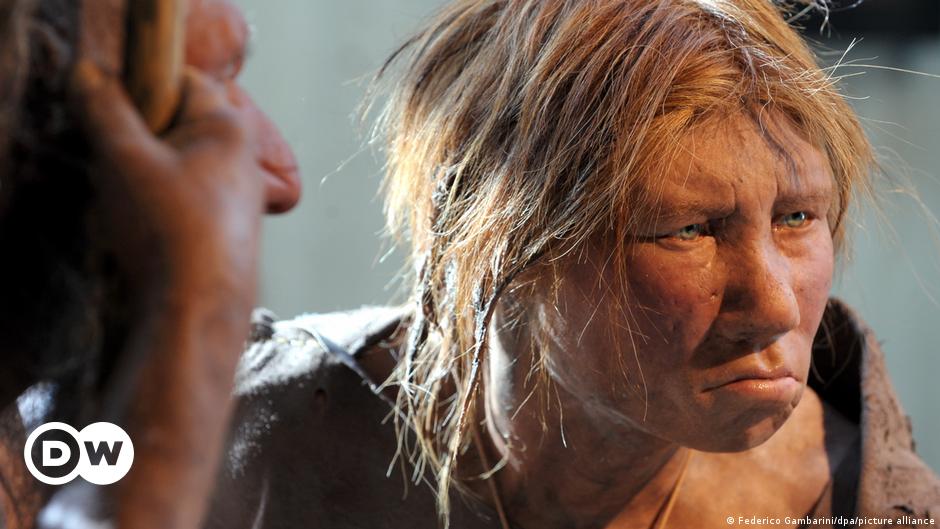
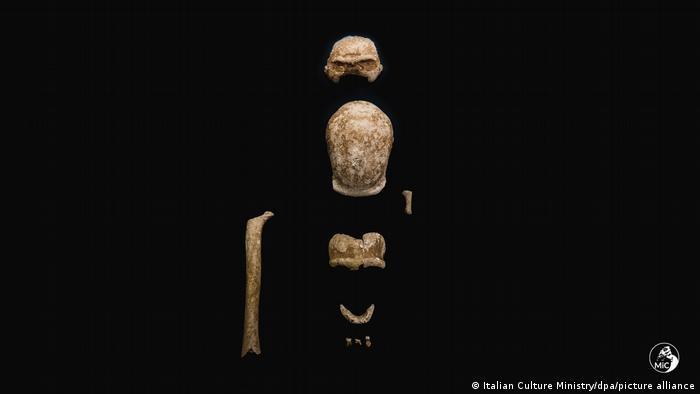
Archaeologists discovered the fossilized remains of nine specimens of Neanderthals of both sexes in a cave near Rome. Today, Saturday, the Italian Ministry of Culture said that eight of them date back to 50,000 to 68,000 years ago, while the ninth will range from 90,000 to 100,000 years old.
The important discovery was made at Grotto Guattari, a prehistoric site discovered more than 80 years ago, located about 100 meters from the Tyrrhenian Sea, on the eastern side of the promontory.
The discoveries in Guattari Cave date back from 50,000 to 100,000 years ago
“Together with others who have been found in the past in the Guattari Cave, the total number of individuals in it reaches 11, confirming that it is one of the most important sites in the world for Neanderthal history,” the statement details.
“Neanderthal is a fundamental stage of human development, and represents the apex of a species and the first society that can be classified as a human,” explains Mario Rubini, director of the Anthropology Department at the Lazio Cultural Supervision Authority. It is believed that the result will shed light on the history of settlement in Italy.
Close relative to modern man
The cave was discovered by chance in February 1939 by workers who removed stones from the property of the Guattari family in San Felice Circeo, in the Lazio region, and the cave has been the subject of research since October 2019.
Shortly thereafter, paleontologist Albert Carlo Blanc discovered a well-preserved Neanderthal skull, in addition to other fossils, such as the remains of aruchs (an extinct species of cattle), elephants, rhinos, wild deer, rock bears, wild horses and hyenas, many more appearing on them. Signs of being bitten.
Fragments of male and female skulls are among the startling finds in Italy
Neanderthal is the closest known human ancestor. In 2016, scientists concluded that samples from the Altai Mountains in Siberia shared 1% to 7% of their genetic material with the ancestors of modern humans.
The species – which traces its name to the valley in the Düsseldorf region, where it was first recognized – became extinct about 40,000 years ago. Although the exact causes are unknown, climate change and increased competition with Homo sapiens appear to be among the factors.
By (AFP, Reuters)
2020 archaeological treasures
Site search: Sakara
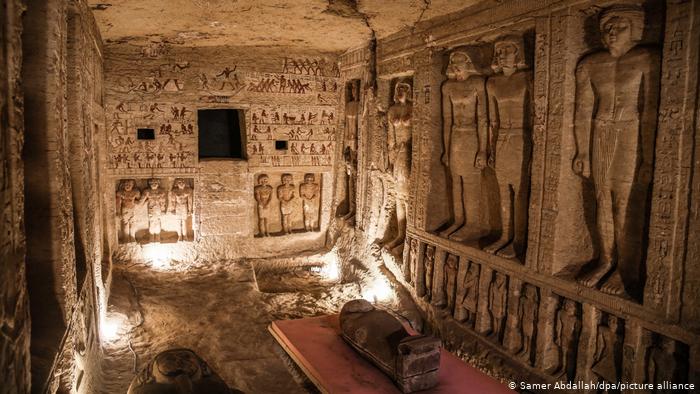
The ancient Egyptian Tomb of Sakara, about 30 kilometers south of Cairo, is one of the most important archaeological excavation sites in Egypt, along with the Valley of the Kings and the pyramids of Giza. In 2020, many wonderful discoveries have put Sakara in world news headlines. In September and October, for example, exquisitely decorated wooden coffins are found.
2020 archaeological treasures
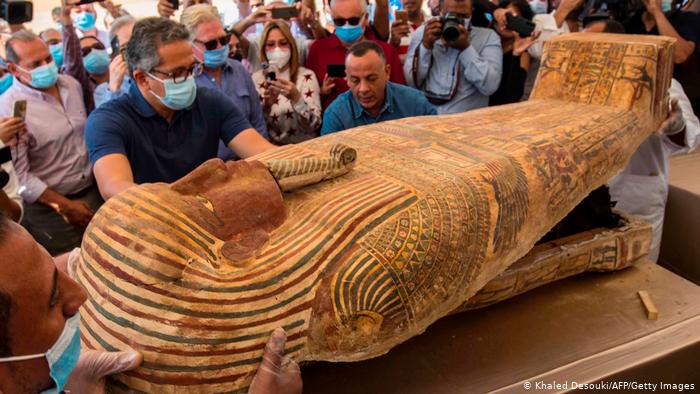
Sarcophagi from ancient Egypt
In November, dozens of coffins were discovered again in Sakara Cemetery. These wooden sarcophagi are more than 2,500 years old, adorned with paintings. In order to closely examine the interior of the coffins, researchers carefully opened the lids of each. The discoveries in Egypt were the archaeological sensation for 2020.
2020 archaeological treasures
The oldest place nameplate in the world
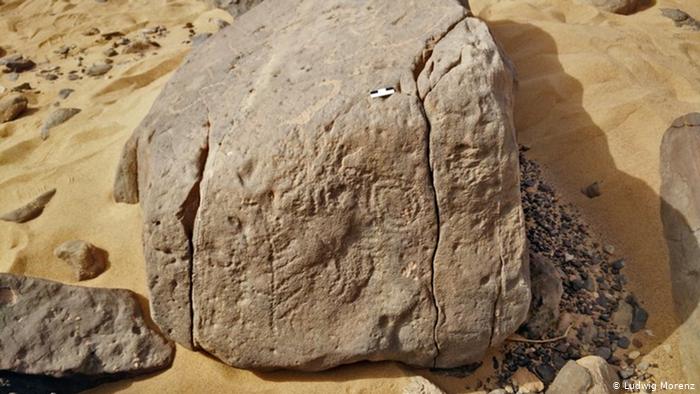
In 2020, Egyptologists at the University of Bonn, Germany, deciphered a 5,000-year-old inscription made on stone. This discovery stems from Wadi Abu Sabira, northeast of Aswan. In cooperation with the Egyptian Ministry of Antiquities, which oversees the excavations of all the research teams in the country, scientists have discovered that it is an ancient tablet of toponyms dating back to the fourth millennium BC.
2020 archaeological treasures
Search for the site: Ruins of Pompeii
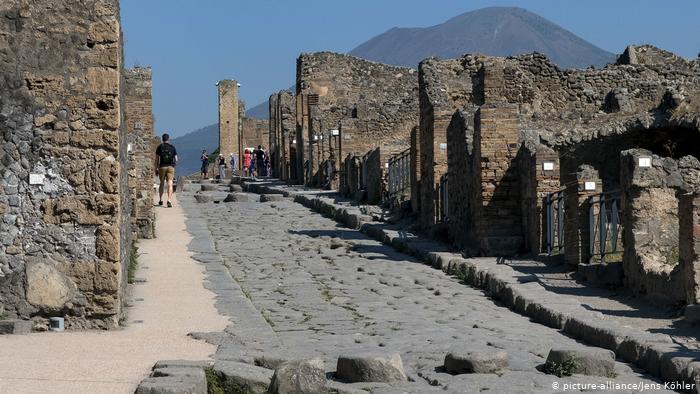
The archaeological site of the Roman city of Pompeii, south of Naples, has revealed archaeological surprises for decades. During the historic volcanic eruption of Vesuvius in AD 79, the site was buried by a mixture of mud, gray rain and liquid lava, and many people and animals died. Archaeologists rediscovered ancient Pompeii remains in the 18th century.
2020 archaeological treasures
A former “cafeteria”
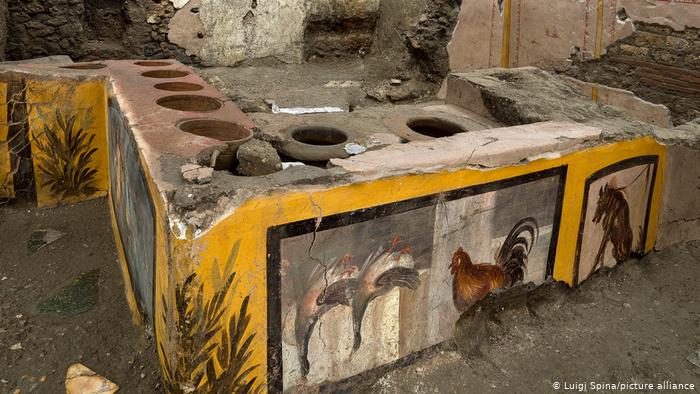
Just before Christmas, archaeologists from Pompeii made their most exciting discovery of the year: a “thermal monopoly” – an old street restaurant – with a painted table. Scientists believe that the circular holes in the table serve to store the thermal food containers. Dishes made with duck, chicken, and other foods were part of the menu.
2020 archaeological treasures
Jerusalem city wall
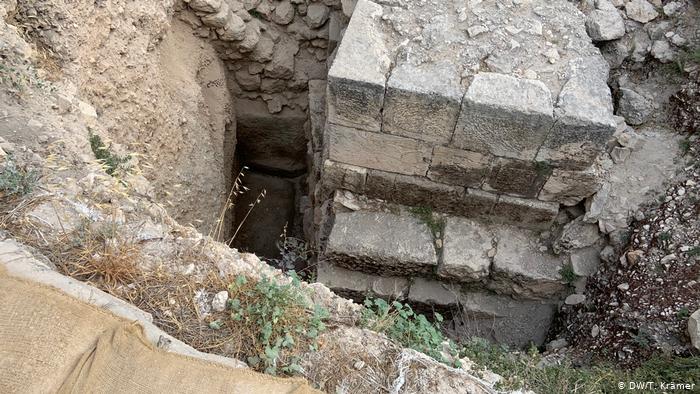
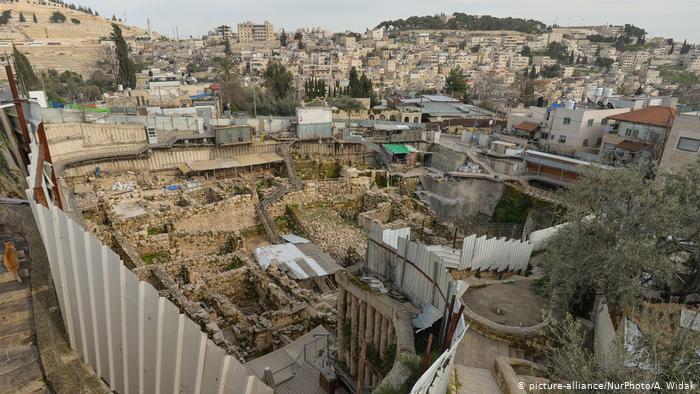
The year 2020 also led to new scientific conclusions: After years of excavations in the present-day Jerusalem area, a team of researchers led by German archaeologist Dieter Voger has discovered parts of the ancient city wall dating from the Byzantine period and the time of King Herod. This indicated that historic Jerusalem was much smaller than previously thought.
2020 archaeological treasures
The village of the second century
Political and religious conflicts in Jerusalem have always been a part of everyday life. In its various archaeological layers it is possible to identify thousands of years of multicultural history. In the first half of 2020, the remains of a second-century wall were excavated in central Jerusalem. Traces of everyday life provide evidence of the settlements at that time.
2020 archaeological treasures
Head of the Greek god Hermes
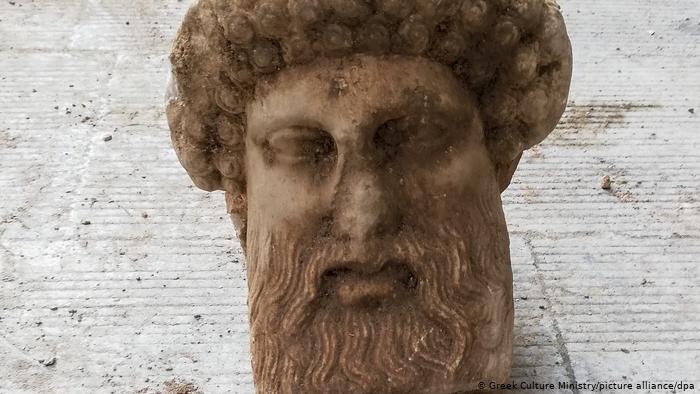
While working on the plumbing system in Athens, construction workers found a colossal head of an ancient sculpture. After more detailed investigations, researchers found that it was a valuable cultural asset: the marble head of the god Hermes, which, according to the Greek Ministry of Culture, dates back to the third or even fourth century BC.
2020 archaeological treasures
Stonehenge’s Secret
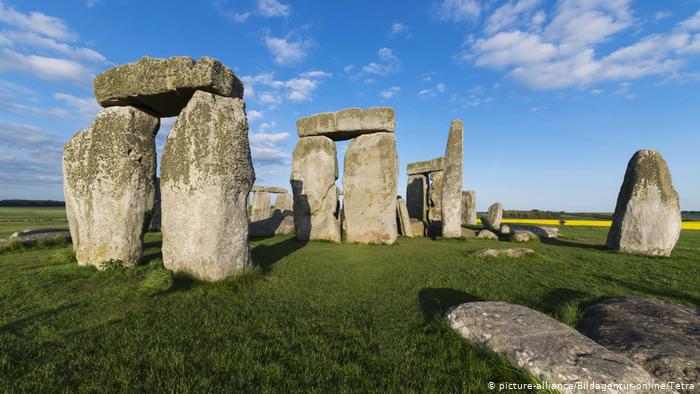
To this day, it remains to be seen whether Stonehenge was a temple, an ancient sacrificial site, or an astronomical observatory. But in 2020, researchers were able to discover the origin of the world-famous stones in southern England. According to the study, the rocks come from the mountainous Westwoods. How the stones up to seven meters high were transported remains a mystery.
Andrea Hargraves is a contributor to Brytfmonline.com, covering a broad range of topics including news, politics, business, technology, sports, entertainment, and lifestyle. She is committed to delivering clear, accurate, and reader-focused reporting that helps audiences stay informed about current events and emerging developments. Andrea’s work emphasizes useful information, balanced coverage, and stories that matter to everyday readers, making complex topics accessible and relevant to a wide audience.