
Teeth buried in English graves contain strains of bacteria that caused the plague, when it was only transmitted by rodents.
54 minutes ago

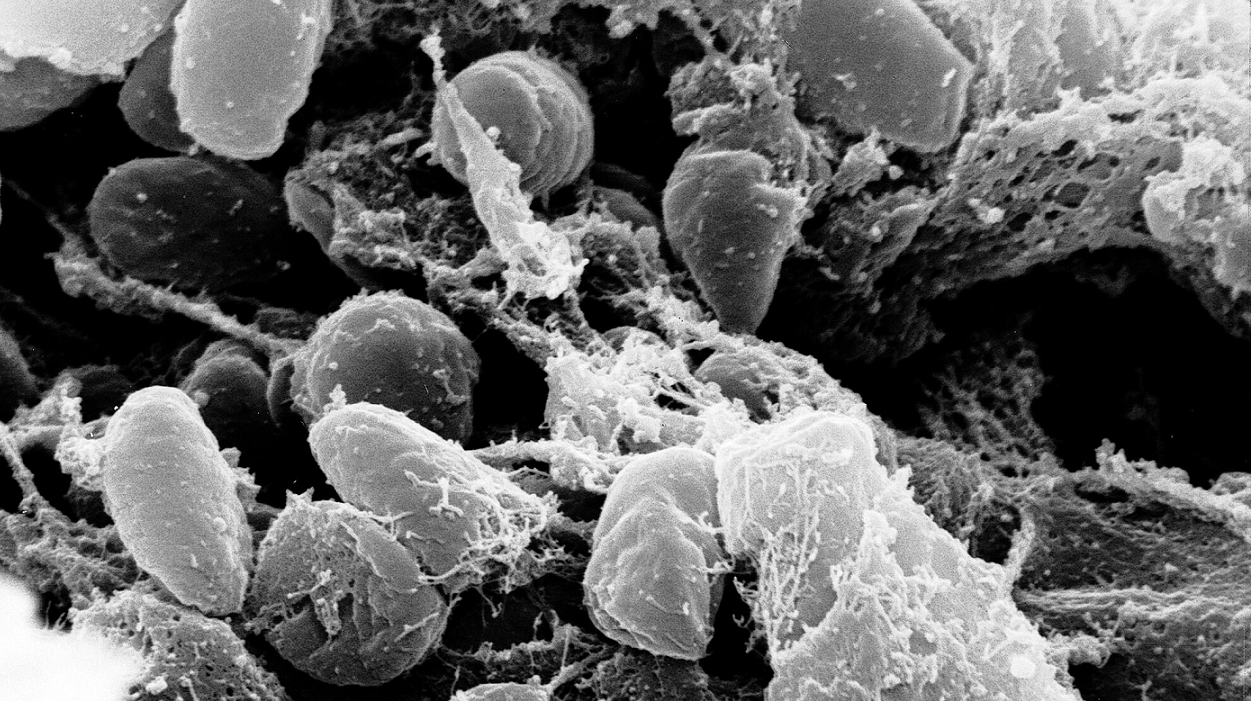
Photo: NIH/NIAID/Flickr/Playback
Yersinia pestisthe bacteria that causes bubonic plague, which first arrived in Britain at least 4,000 years ago, DNA tests of ancient teeth have revealed. The discovery appeared in a study published Last Tuesday (30) in the Scientific Journal Nature Communications.
Bubonic plague killed a third of Europe’s population in the 14th century. The oldest known plague strain of bacteria was found in 2021 in a 5,000-year-old skull in Latvia.
Pooja Sawali, a scientist in the Ancient Genomes Laboratory at the Francis Crick Institute in London, and her colleagues analyzed the teeth of 30 individuals buried in a cemetery in Somerset, a county in the southwest of England, and four individuals who were in a cemetery in the county of Cumbria in the north of the country.
They found the DNA of a strain of Yersinia pestis in the teeth of two children in Cemetery 1 and a woman in Cemetery 2. “To our knowledge, this represents the oldest documented evidence to date of Bronze Age plague in Britain,” the scientists wrote.
The strain on the teeth was nearly identical to another identified in Germany dating from the same time. It’s a copy of Y. pestis Which is not yet spread by fleas, only by rodents. This ability would come later, with a genetic mutation creating bacteria more transferable And fatal.
Remarkably, the researchers say, the infectious disease migrated from mainland Europe to Great Britain when the bacteria were only transmitted by rodents. But the fact is not surprising, since the connections between the two plots of land were well established in that period.
The distance between the two coffins where the teeth are buried, one at either end of England, is an indication that Y. pestis It spread widely throughout Britain in the Bronze Age.



Andrea Hargraves is a contributor to Brytfmonline.com, covering a broad range of topics including news, politics, business, technology, sports, entertainment, and lifestyle. She is committed to delivering clear, accurate, and reader-focused reporting that helps audiences stay informed about current events and emerging developments. Andrea’s work emphasizes useful information, balanced coverage, and stories that matter to everyday readers, making complex topics accessible and relevant to a wide audience.